How to Avoid Loneliness in Retirement
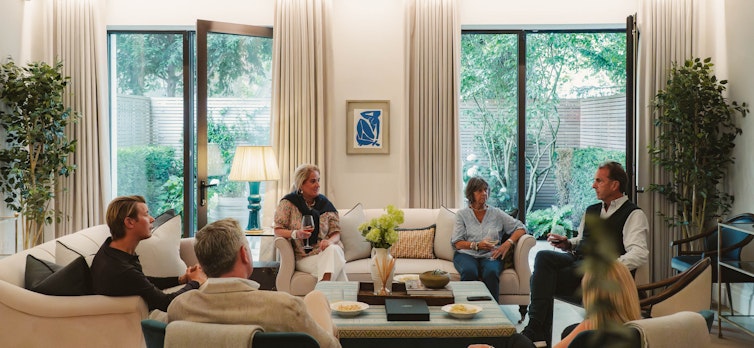
For many people, it is not always an easy subject to talk about or recognise in themselves.
Daily routines often change, professional networks become less active, and the regular interaction and sense of purpose that once came through work or business can become less consistent. Over time, this can lead to a growing sense of disconnection, even for people with full and active lives.
In this guide we explore practical, actionable steps to help combat loneliness in retirement. Here’s what we’ll cover:
- Why can retirement feel so lonely?
- How loneliness in later life affects health and wellbeing
- Practical ways to build connection and combat loneliness
- The role of routine and purpose in staying connected
- How a retirement community changes your social life
Why Does Retirement Sometimes Feel Lonely?
Many aspects of the world of work build connections automatically: daily contact with colleagues, a shared routine, work toward shared goals and so on. The transition out of this environment hits some people harder than others, with people who identify strongly with their work and their colleagues likely being hit harder.
Life events can also deepen these feelings of isolation. Children and family may move away, reduced mobility can impact, or a partner’s declining health may change day-to-day routines. Over time, these shifts can make it harder to maintain the same level of connection and you once enjoyed.
Remember that feeling lonely after retirement isn’t a failing. It’s a very common and completely understandable response to a significant life change.
How Loneliness in Later Life Affects Health and Wellbeing
Left unchecked, loneliness can cause or adversely impact your health and wellbeing. Understanding how social interaction and community can contribute to your health can be a motivating factor when thinking about how to make changes to your social life.
Some areas where loneliness can contribute:
- Chronic loneliness is associated with an increased risk of cognitive decline and dementia
- It’s also linked with cardiovascular health and overall longevity
- There is a mental health impact, too, with depression and anxiety being correlated with social isolation
This evidence is meant to demonstrate that taking feelings of loneliness seriously is just as important an act of self-care as watching your diet or taking regular exercise. You deserve to be healthy and well, and social interaction is a crucial component of this.
Practical Ways to Build Connection and Combat Loneliness
Understanding the importance of staying socially connected is one thing but finding practical ways to maintain those connections later in life is another. Here are a few ways to make social interaction a more natural part of everyday life:
- Joining clubs or groups built around your existing interests is a shortcut to a new group of people with an interest in common. Such groups are a great way to ensure regular contact and allow new friendships to develop.
- Volunteering provides a sense of structure and purpose that can fill the gap left by work, while also tapping into a ready-made community of fellow volunteers and others.
- Learning something new, whether it’s an evening class, an art group, or a new language. Spending time with other learners and working towards a common goal is a very good antidote for loneliness.
- Digital connection with friends and family who live further away. With instant messaging and digital platforms, distance no longer has to be the barrier it once was. For those less familiar with technology, it can also be an opportunity to learn something new and open up new ways of staying in touch.
- Local community involvement is another way to achieve purpose alongside community. Whether it’s a neighbourhood group, a faith community, or helping to organise local events, plenty of options are available.
The Role of Routine and Purpose in Staying Connected
Connection comes from having a regular structure that allows regular contact with the same group of people. The working world is perfect for this, as discussed previously, but it is more than achievable to recreate those conditions in your personal life.
To do this, aim to build a regular rhythm. Weekly classes, a monthly community group, regularly scheduled video calls with friends and family. Having recurring social plans will reduce the organisational burden while giving you a rolling list of social engagements to look forward to.
While it may feel daunting to do so, being proactive with building a social calendar for yourself is often far more fruitful than waiting for it to happen organically. Asking family and friends for help is a reliable way to start the conversation about loneliness you may be feeling, while gaining support from those with your best interests at heart.
How a Retirement Community can Change Your Social Life
Retiring often means leaving a structure conducive to social interaction, but this does not mean you cannot rejoin another such structure. Retirement communities are a later life option with connection built into their very fabric, making it more readily available.
Choosing a retirement community means living somewhere that social contact is the default. Shared spaces, organised events, a strong community of peers - all are in your daily orbit, and all contribute to a rich, varied social life. If you struggle to build social networks from scratch, this option can be particularly helpful.
While retirement communities are not for everyone, nor are they the only way to achieve a rich social life in later life, they are an option worth considering.
Life at Auriens for Connection Built into Every Day
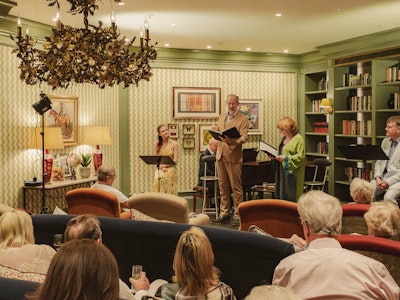
At Auriens, community is not treated as an afterthought, but as an important part of living well later in life for those who want it. Residents can choose how much or how little they engage, with opportunities for connection naturally built into everyday life rather than something that needs to be organised elsewhere. Our curated events calendar, for example, features everything from music recitals and evenings with celebrity figures, to flower shows, theatre productions, book readings, and more. All are intended to promote community and conversation, and our programme varies through the year.
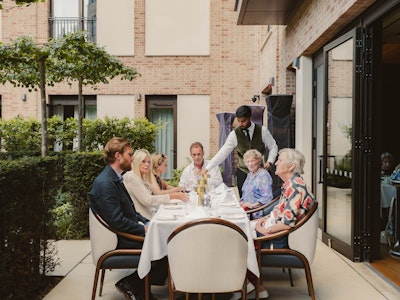
We also offer a suite of communal spaces and amenities, from Culfords Restaurant & Bar - the heart of the Auriens community - to the speakeasy bar, a surround sound cinema, a spa, a private courtyard garden, and a library, to name but a few. Each invites a different type of experience but offers a place to spend time with peers, spark conversations, and foster friendships.
Importantly, community sits alongside the wider support structure that defines life at Auriens. Alongside opportunities for connection and cultural engagement, residents also have access to housekeeping, maintenance, concierge, wellbeing and discreet care services, allowing life here to adapt comfortably over time while maintaining complete independence. We’d love to show you what we do, and to give you a feel for what Auriens offers: contact our team to learn more, or immerse yourself in the lifestyle with no commitment through our try-before-you-buy offering.

Find Us
2 Dovehouse Street
London, SW3 6BF
020 4549 8000







Auriens is a member of ARCO, which represents Integrated Retirement Communities in Great Britain. As an ‘Approved Operator’, Auriens aims to comply at all times with the requirements of the ARCO Consumer Code.